
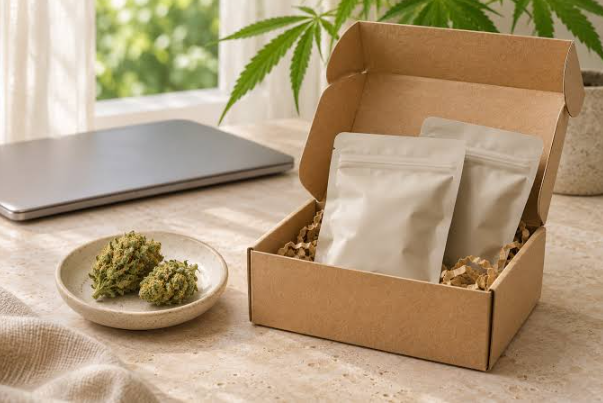
French CBD resin listings often use short labels to describe consistency, package size, and cannabinoid content. If you are reading a translated product page, those details can be easy to miss. Start with the format and amount, then check how the seller documents the batch.
Translate the practical terms first
The category label résine cbd refers to CBD resin. On individual listings, “souple” can describe a pliable texture and “friable” a crumbly one. “Poids net” tells you the weight of the contents. These fields help you understand how the product is presented, especially when two thumbnails show blocks that look the same size.
If several weights are available, select each option you want to compare and watch for changes in the price and availability. The description may stay the same even when the package size changes. Where possible, check that the variant name and weight also appear in the order summary.
See also: Pet CBD Oil: What Responsible Owners Should Check
Understand percentages and milligrams
Look for “teneur en CBD” when checking the stated CBD concentration. A percentage refers to the share of the sample’s weight. Milligrams may describe the amount per gram or the amount in the whole package. The wording next to the unit tells you which figure the seller is presenting.
For example, 100 milligrams per gram and 100 milligrams per package describe different things if the package weighs more than one gram. Convert both figures to the same basis before using them to compare two products.
See whether the report matches the listing
If a lab certificate is available, look for the date, sample description, and lot reference. Compare those details with the product page or label. When you find a general report covering a whole product range, check whether the seller explains how to identify the report for a specific batch.
Keep the format, weight, and concentration together when reviewing a listing. That way you can tell whether a difference in price comes with a different package size or simply a different product description.
Check whether the label explains the format
Descriptions can distinguish a single block, a sample set, and several individually labeled pieces. Read the package contents carefully if the photo shows more than one item. Look for terms like “pièce” for a piece and “coffret” for a set. Then check whether the stated weight applies to the entire set or to each piece. That distinction matters when you compare the listing with a single-pack option.
The ingredients section may also clarify a product name. “Ingrédients” is the heading to look for when a listing mentions added flavor or another named component. If the description gives an aroma but leaves the composition unclear, look for a readable label photo or a separate product specification.
Keep a short record when comparing listings
For each option, write down the selected weight, price, texture, and batch reference. Add the units next to any cannabinoid figures. If one product gives a figure for the entire package, keep it in a different column from a per-gram figure until you can convert them. This small amount of recordkeeping can prevent mix-ups when several options share a similar name.
Before you finish, check the label details against the description one more time. The product name and variant should identify the same item. If the listing contains multiple reports, note which one you used so you can find the same information again.