System Tracking Dashboard: 1179470777, 3144515166, 919347485, 6958590770, 624889643, 6984997692

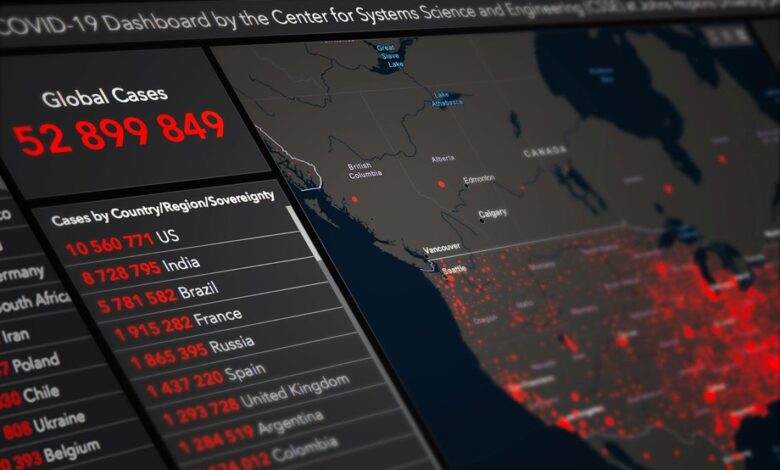
The System Tracking Dashboard, identified by unique numbers such as 1179470777 and 3144515166, plays a pivotal role in operational monitoring. It offers a structured approach to data visualization, facilitating comprehension among users. By enabling real-time data analysis, the dashboard contributes to informed decision-making. However, the implications of such tools extend beyond mere efficiency. Exploring the intricacies of their design reveals deeper insights into the evolving landscape of data-driven business strategies.
Understanding System Tracking Dashboards
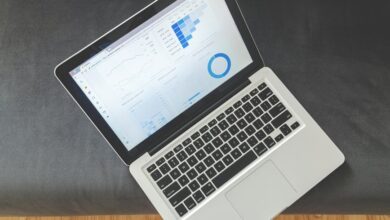
System tracking dashboards serve as critical tools for organizations seeking to monitor and analyze various operational metrics.
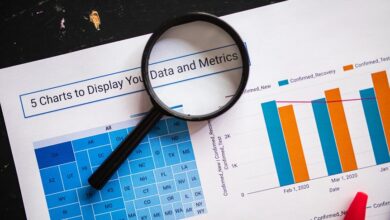
Effective dashboard design prioritizes user experience, ensuring that relevant data is easily accessible and comprehensible. By utilizing intuitive layouts, visualizations, and interactive elements, these dashboards empower users to make informed decisions.
Ultimately, a well-crafted dashboard enhances operational efficiency, fostering a culture of data-driven freedom within the organization.
The Role of Unique Identifiers in Data Analysis
The effectiveness of data analysis is significantly enhanced by the use of unique identifiers, which serve as fundamental components in the organization and interpretation of data.
Unique identifiers facilitate accurate tracking and correlation of information, thereby ensuring data integrity. Their consistent application across datasets enables analysts to draw reliable conclusions and fosters a structured approach to data management, ultimately supporting informed decision-making.
Benefits of Real-Time Data Monitoring
Real-time data monitoring offers significant advantages for organizations seeking to enhance operational efficiency and decision-making processes.
By providing real-time insights, companies can identify trends and anomalies swiftly, enabling proactive adjustments to strategies and operations.
This adaptability fosters a dynamic environment where organizations can respond promptly to changes, ultimately leading to improved performance and a competitive edge in their respective markets.
Enhancing Business Efficiency Through Data-Driven Decisions
While organizations increasingly recognize the importance of data-driven decision-making, the ability to leverage data effectively is crucial for enhancing business efficiency.
By employing data visualization techniques, businesses can transform complex performance metrics into actionable insights. This approach enables informed decisions that streamline operations, optimize resource allocation, and ultimately foster an environment of continuous improvement.
Granting organizations the freedom to adapt and thrive in dynamic markets.
Conclusion
In summation, the System Tracking Dashboard emerges as an invaluable ally in navigating the complexities of operational oversight. By seamlessly integrating unique identifiers, it offers a window into the heart of data analysis, illuminating insights that might otherwise remain obscured. This real-time monitoring fosters a culture of informed decision-making, subtly guiding organizations toward enhanced efficiency and adaptability. Ultimately, the dashboard not only champions a data-driven ethos but also serves as a compass in the ever-evolving market landscape.