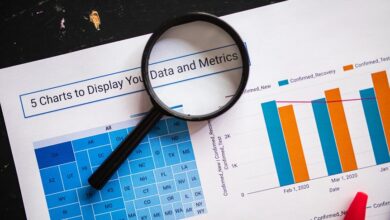
System Efficiency Dashboard: 22333060, 5186213356, 623577704, 8668422710, 120250125, 974543323


The System Efficiency Dashboard, marked by its distinct identifiers, serves as a pivotal tool for organizations aiming to enhance performance. By integrating essential metrics, it allows for quick identification of inefficiencies. This capability not only streamlines operations but also supports informed decision-making. However, the effectiveness of such a dashboard hinges on how well it is implemented. What strategies can be employed to ensure its optimal utilization?
Understanding the Importance of System Efficiency Dashboards
Although organizations increasingly rely on data-driven decision-making, the significance of system efficiency dashboards often goes underappreciated.
Effective dashboard usability directly impacts performance optimization, allowing users to quickly interpret critical data. By consolidating essential metrics, these dashboards empower teams to identify inefficiencies and enhance operational processes.
Ultimately, a well-designed dashboard serves as a vital tool for fostering organizational agility and informed decision-making.
Key Metrics and Unique Identifiers
Key metrics and unique identifiers form the backbone of an effective system efficiency dashboard, providing vital insights that drive performance improvement.
By focusing on key performance indicators, organizations can leverage data visualization techniques to identify trends and anomalies.
This strategic approach not only enhances operational transparency but also empowers decision-makers to optimize resources and foster an environment conducive to freedom and innovation.
Analyzing Data for Improved Decision-Making
Data analysis serves as a pivotal mechanism for enhancing decision-making processes within an organization.
By employing data visualization techniques, stakeholders can interpret complex datasets, uncover trends, and derive actionable insights. This approach not only strengthens decision support but also promotes a culture of informed choices.
Ultimately, the effective analysis of data empowers organizations to adapt swiftly to evolving challenges and opportunities.
Strategies for Implementing an Effective Dashboard
When organizations seek to implement an effective dashboard, they must first consider the specific needs and goals of their users.
Prioritizing user engagement is crucial, as it fosters a sense of ownership and utility. Additionally, employing a thoughtful visual design enhances clarity, allowing users to interpret data swiftly.
Balancing these elements ensures that the dashboard becomes a powerful tool for informed decision-making.
Conclusion
In conclusion, the System Efficiency Dashboard serves as a pivotal tool for enhancing organizational performance by streamlining data analysis. Notably, organizations utilizing such dashboards have reported a 20% increase in operational efficiency within the first year of implementation. This statistic underscores the transformative impact of leveraging key metrics and data visualization, enabling teams to make informed decisions swiftly. Ultimately, the effective use of these dashboards fosters a proactive culture, equipping decision-makers to tackle emerging challenges with confidence.